FROM THE PAST
A BRIGHTER TOMORROW
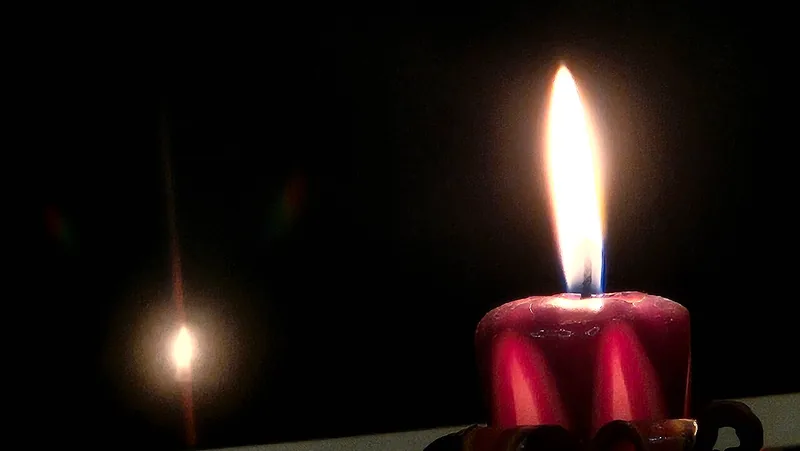
In the flickering candle flame, historical images unfold from medieval Rus’ to modern Russia. Events, people and candlelight tell the story of a country.
Staritsa Candle Factory
Light through the ages
Light through the ages
From medieval Rus’ to modern Russia, through lives, discoveries and times of change. Candlelight connects fifteen chapters: in churches and homes, in celebration and remembrance.
As the country changed, so did the candle. Stearin and paraffin joined wax and tallow; handcraft existed alongside factory production. Electricity transformed everyday life, while the living flame retained its place in tradition and personal memory.
A candle-making heritage
Staritsa Candle Factory opened in Zelino on 21 February 1893. Its story belongs to a candle-making heritage in which material, light and memory take shape.
Staritsa Candle Factory produced both wax and candles. Its heritage brings together wax production, the skill of candle makers and the traditions of candlelight.
The opening recorded · 1893Medieval Rus’ and the Tsardom
 988
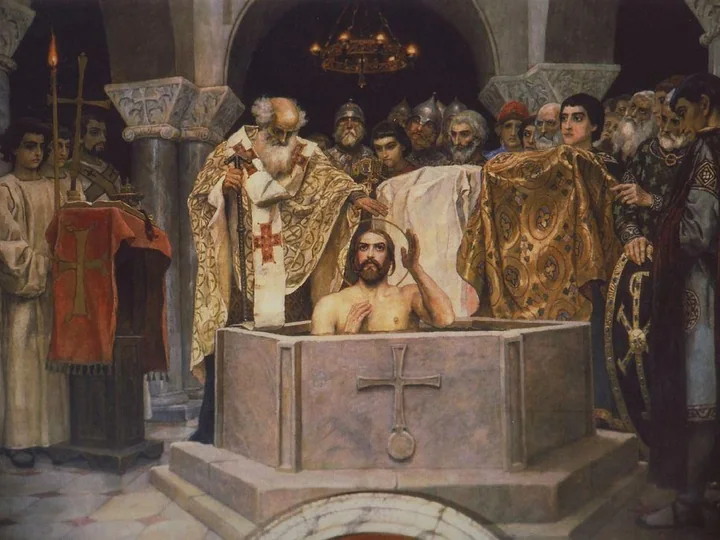
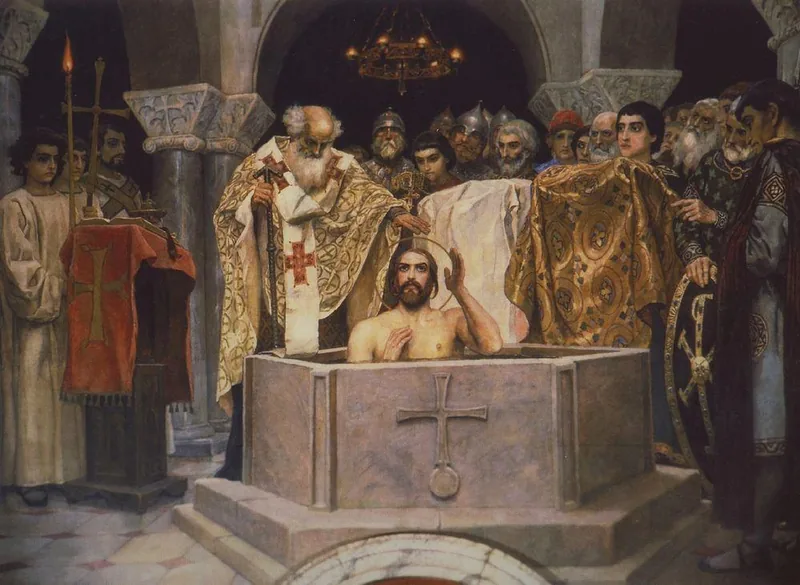
988The Christianisation of Rus’
The baptism of Rus’ under Prince Vladimir marked a turning point in spiritual and cultural life. The Christian tradition brought the lighting of wax candles in churches. Their light accompanied prayer, while beeswax linked church life to the work of forest beekeepers and candle makers.
Historical source ↗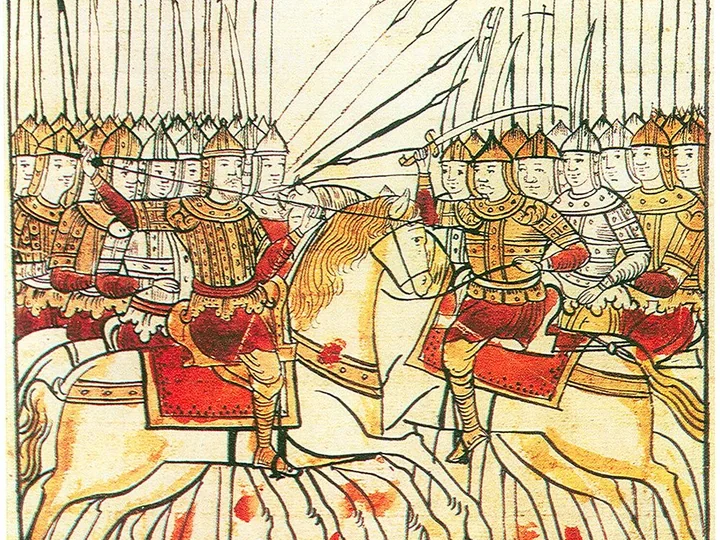 1380
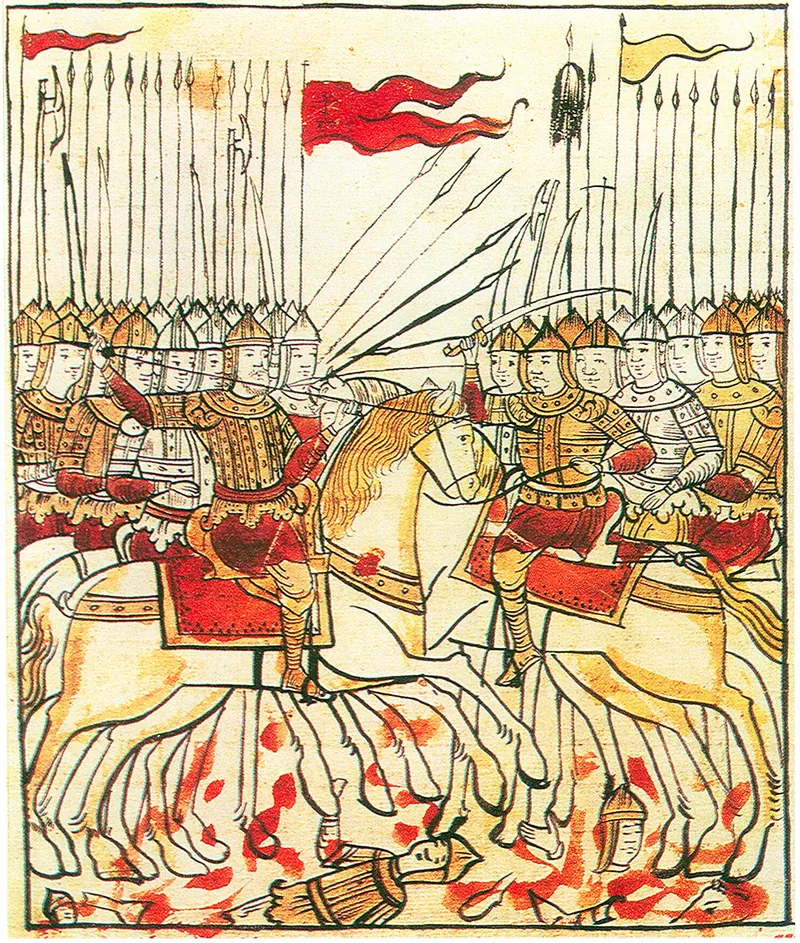
1380The Battle of Kulikovo
Dmitry Donskoy’s army defeated Mamai’s forces on the field of Kulikovo. The battle entered chronicles and legend. Medieval Rus’ also lived by craft and trade: wax passed through Novgorod to Europe, where it was made into church candles.
Historical source ↗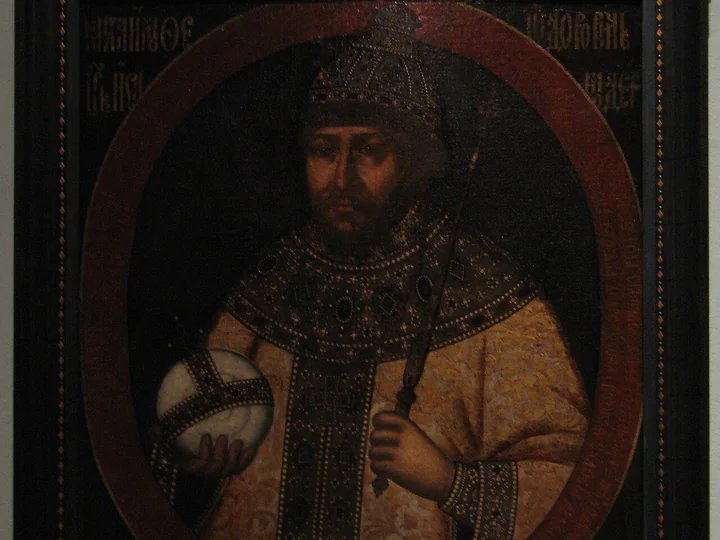 1613
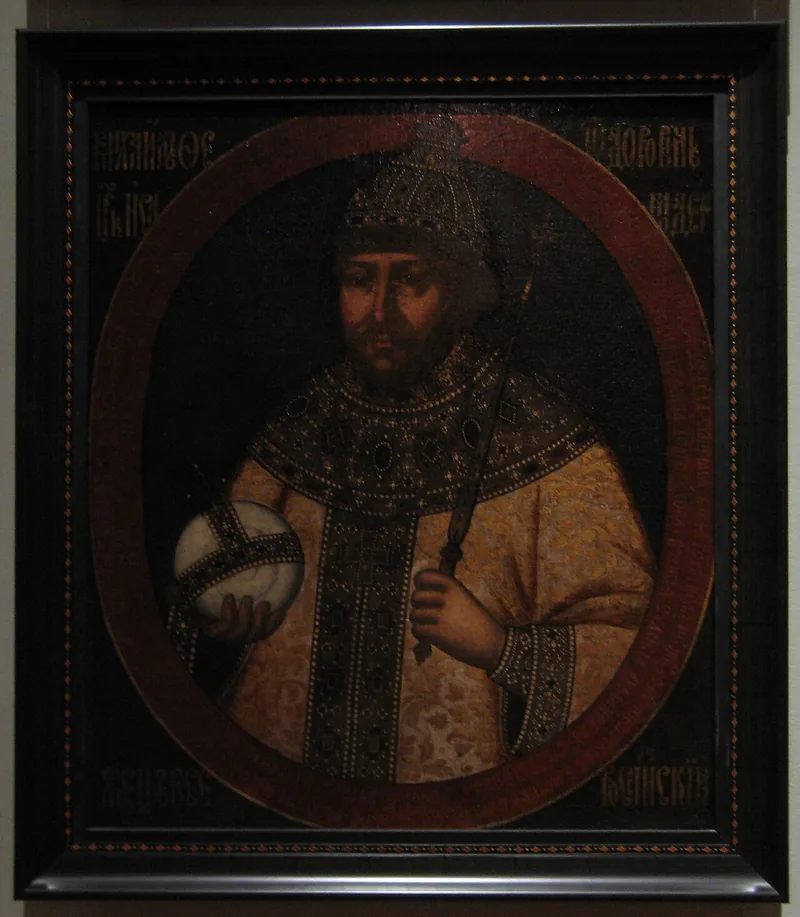
1613The Romanov dynasty begins
After the Time of Troubles, the Assembly of the Land elected Mikhail Romanov as tsar. Recovery and Romanov rule began. Before electricity, light reflected wealth: costly wax candles stood alongside cheaper tallow candles, while pine splints remained common in peasant homes.
Historical source ↗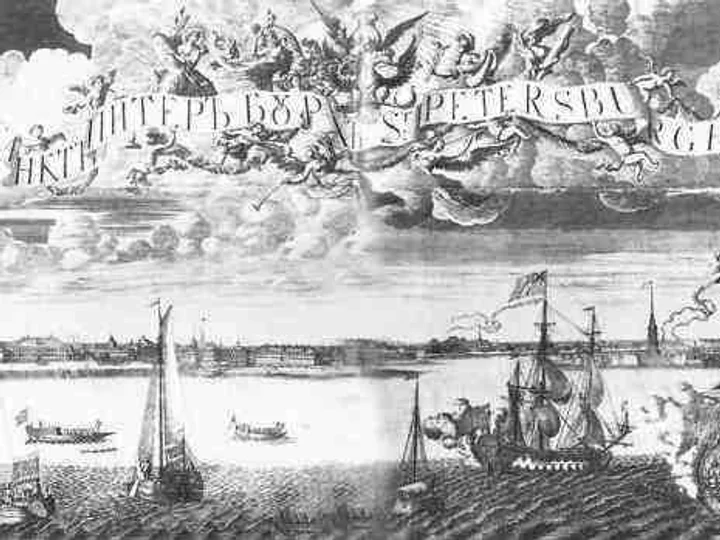 1703
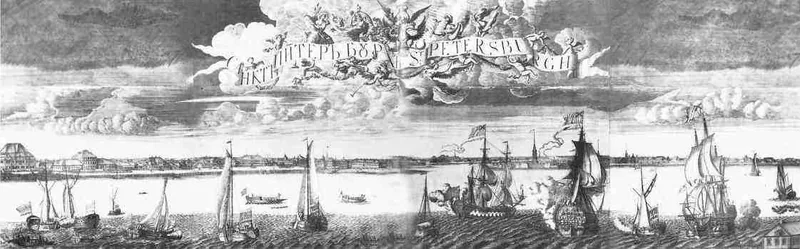
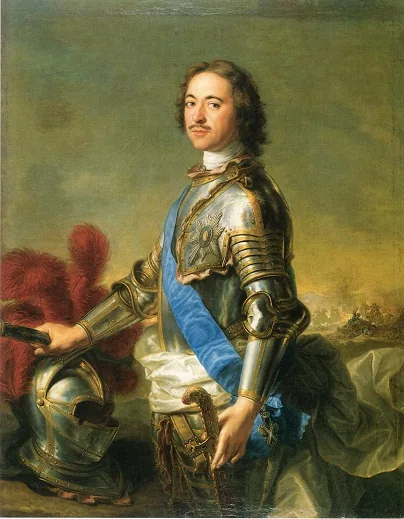
1703The founding of St Petersburg
Peter I founded St Petersburg on the Neva. The new city formed part of changes in trade, naval power and everyday life. Electric light was still far away: candles and oil lamps lit the evenings, and candle making remained an essential urban craft.
Historical source ↗
The Russian Empire
 1721
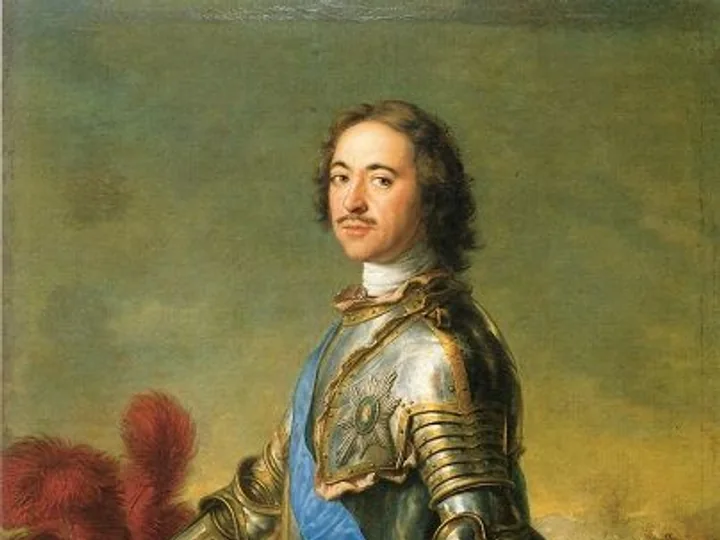
1721The Russian Empire
After the Great Northern War, Peter I assumed the title of emperor. Russia entered its imperial era. Candlelight linked ceremonial halls with chandeliers and candelabra, domestic rooms and church services. Behind that light lay the daily work of craftspeople.
Historical source ↗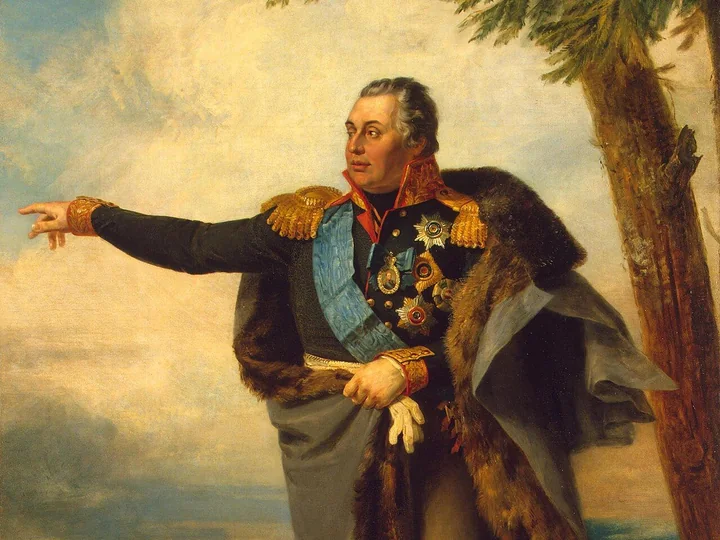 1812
1812The war of 1812
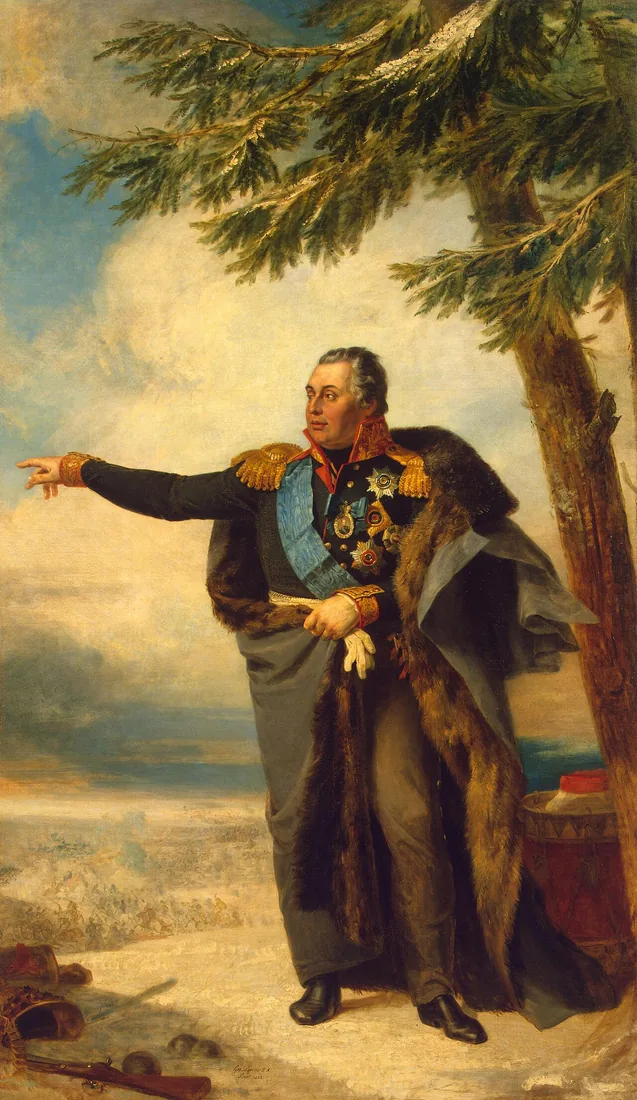
Napoleon’s invasion, the Battle of Borodino and the abandonment of Moscow brought severe trials. Under Mikhail Kutuzov, the Russian army continued the struggle that ended in the invaders’ expulsion. In this story, the candle remembers those who died and those who would rebuild peaceful life.
Historical source ↗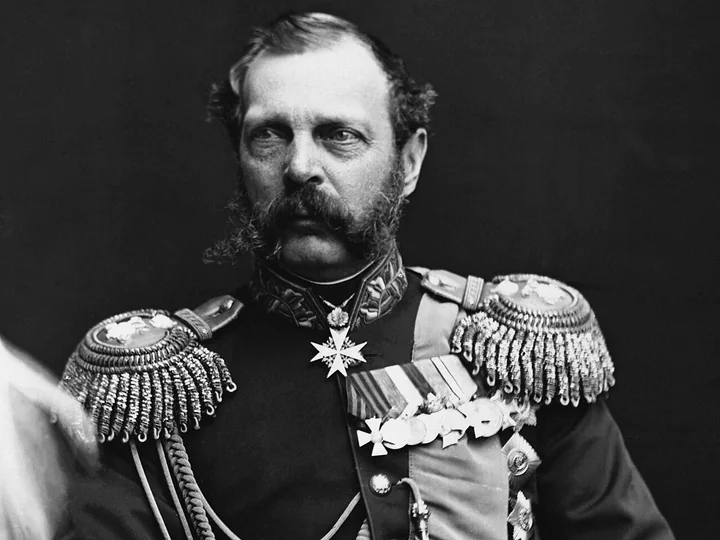 1861
1861The emancipation of the serfs
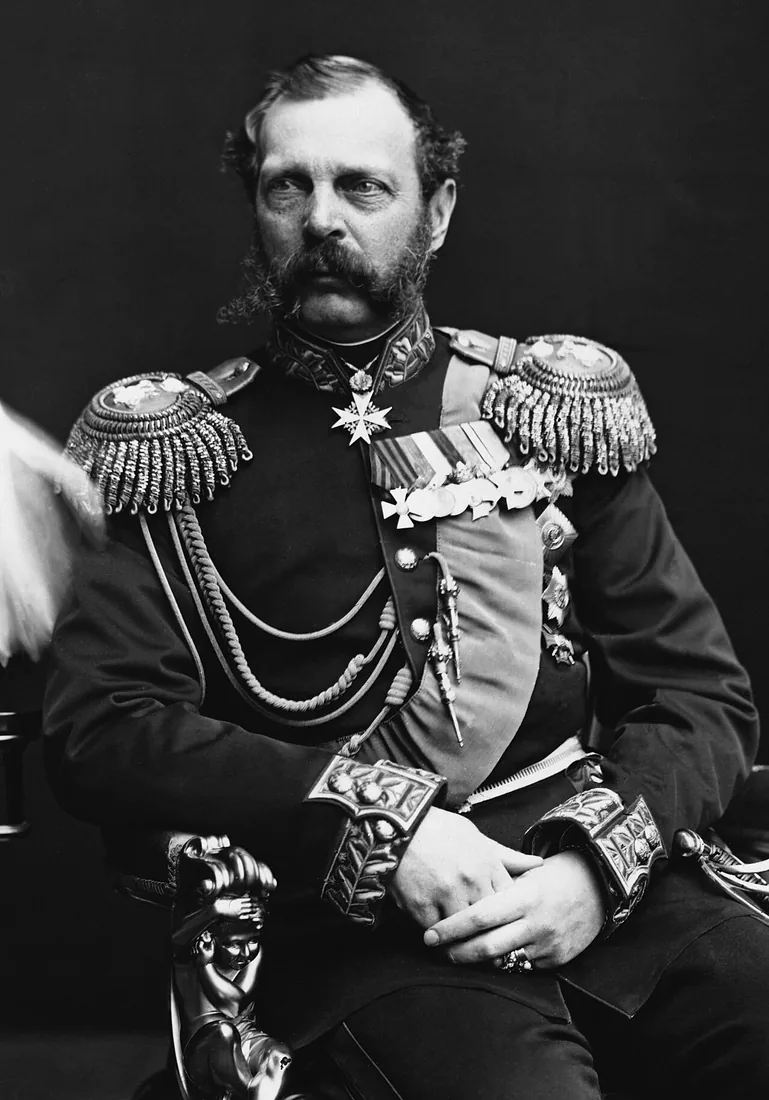
Alexander II signed the emancipation manifesto. Society, industry and domestic life were changing in the 19th century. Advances in chemistry brought stearin and paraffin candles, and factory production grew in Russia. The Krestovnikov brothers’ factory in Kazan had produced stearin candles since 1855.
Historical source ↗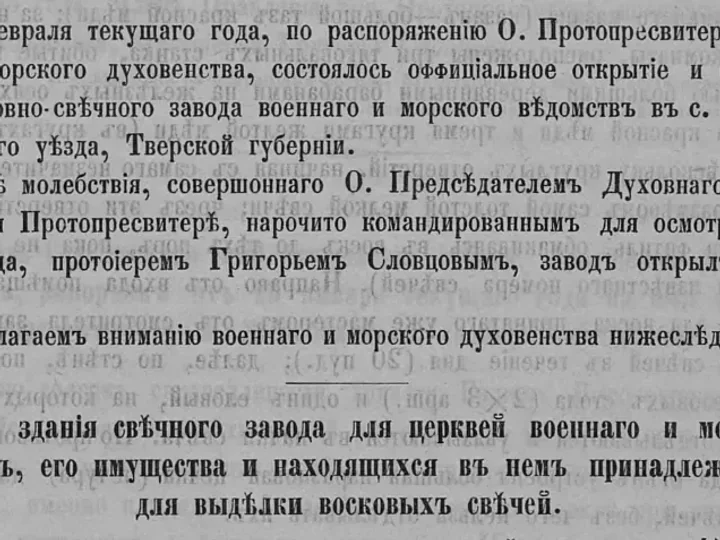 1893
1893Staritsa Candle Factory opens
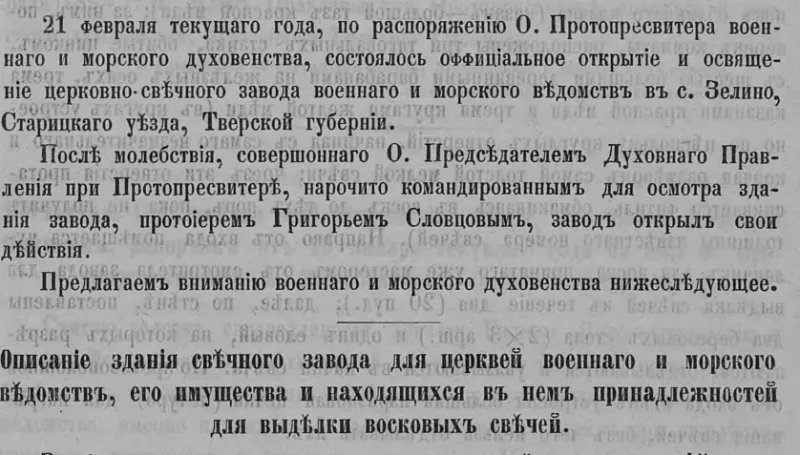
On 21 February 1893, Staritsa Candle Factory opened in Zelino, in the Staritsa district of Tver Governorate. The Herald of the Military Clergy reported its opening and consecration.
 1917
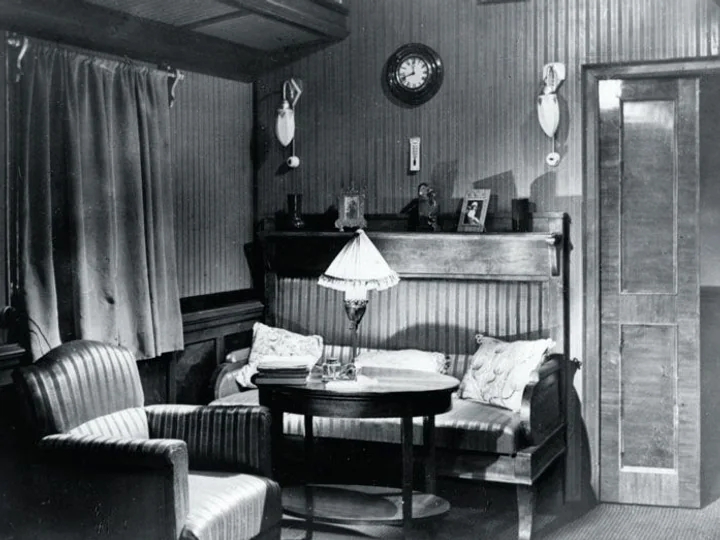
1917The abdication of Nicholas II
The abdication of Nicholas II ended Romanov rule. The two revolutions of 1917 changed the state and millions of lives. Urban lighting was changing too: candles already shared their place with kerosene lamps and electricity. A familiar object gradually gave way to new technologies.
Historical source ↗
The 20th century and today
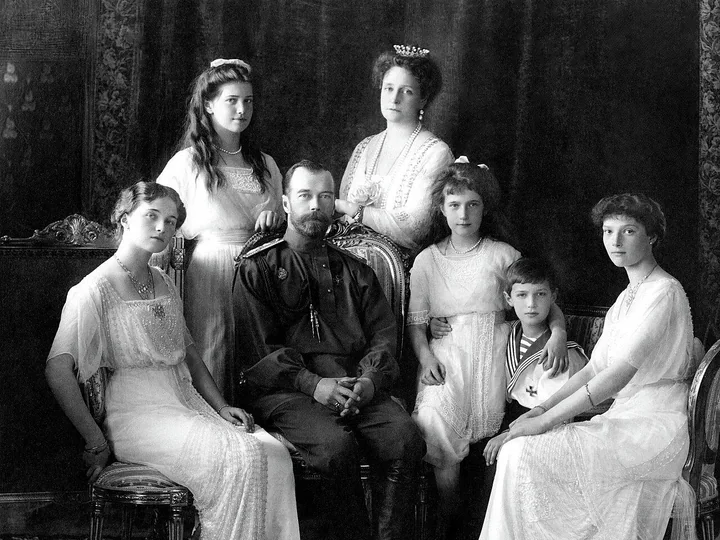 1918
1918Remembering the imperial family
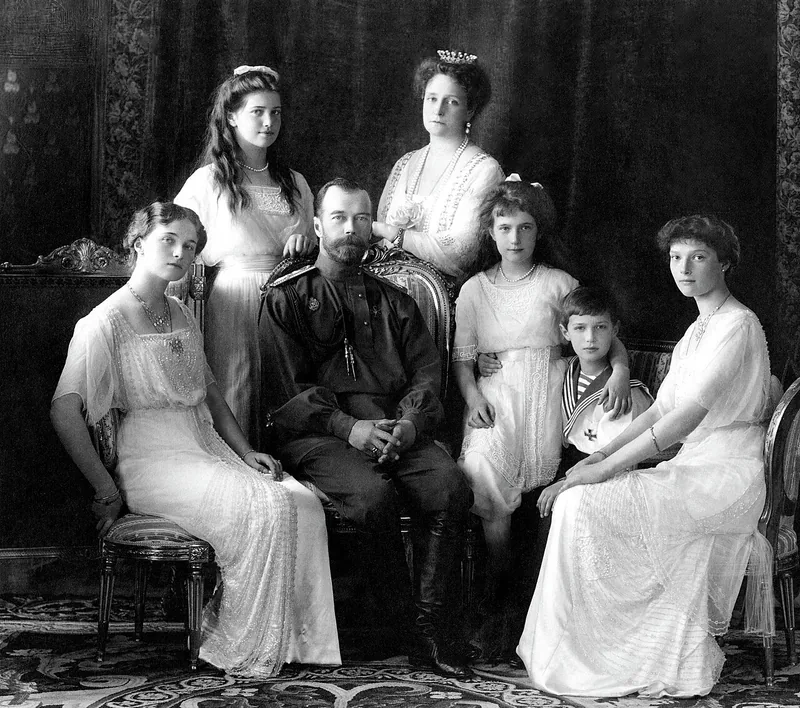
Nicholas II, his family and the people with them were killed in Yekaterinburg. Civil war divided the country; the formation of Soviet society lay ahead. A family photograph recalls the individual lives behind historical dates, while the candle flame becomes an image of mourning.
Historical source ↗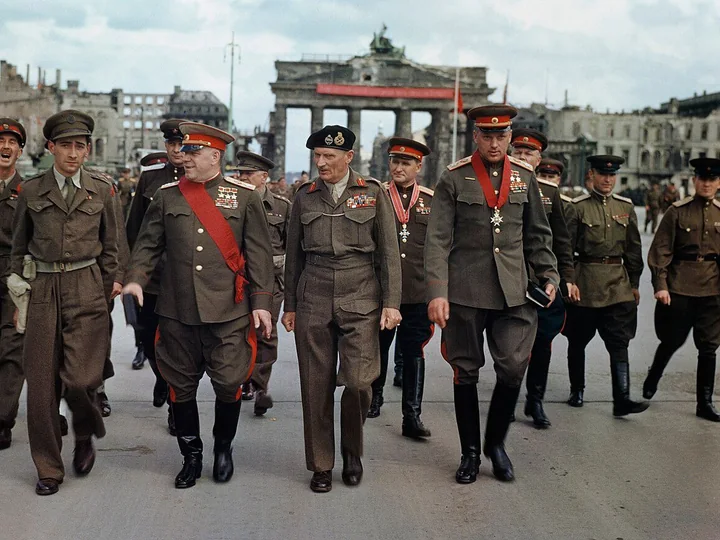 1945
1945Victory and remembrance
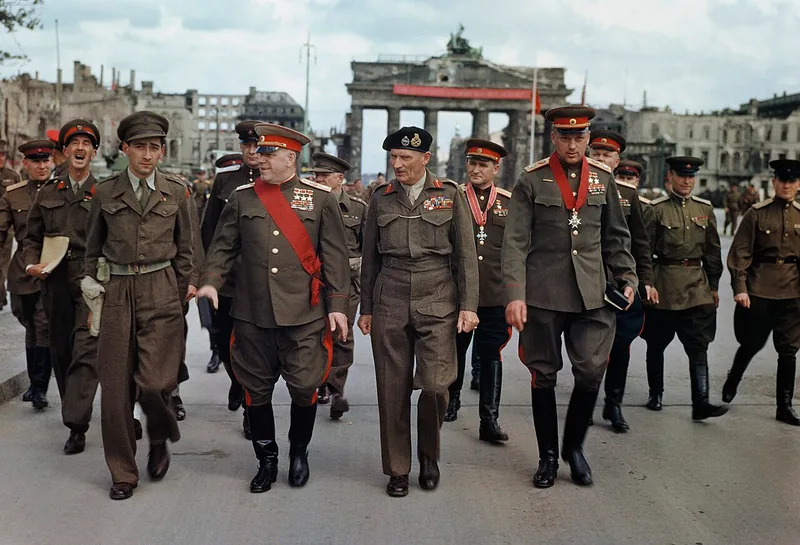
Victory in the Great Patriotic War brought peace after immense losses. Homecomings, the rebuilding of cities and lasting remembrance of those who did not return followed. Today, candles at commemorations connect family histories with the shared memory of war.
Historical source ↗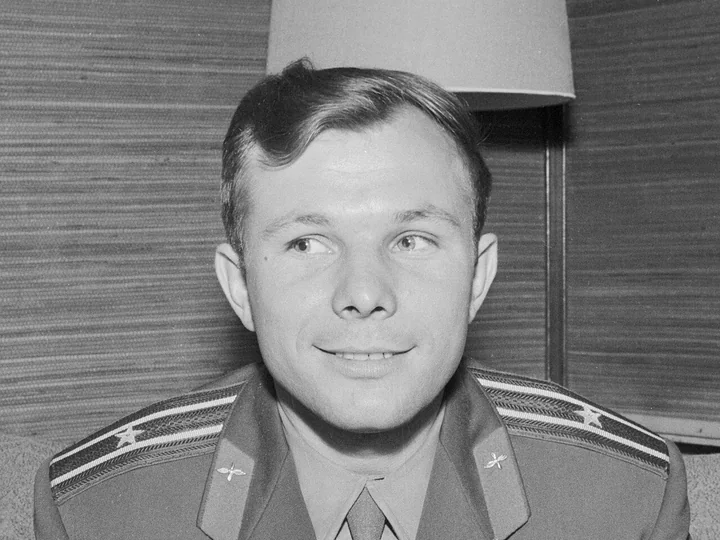 1961
1961The first human spaceflight
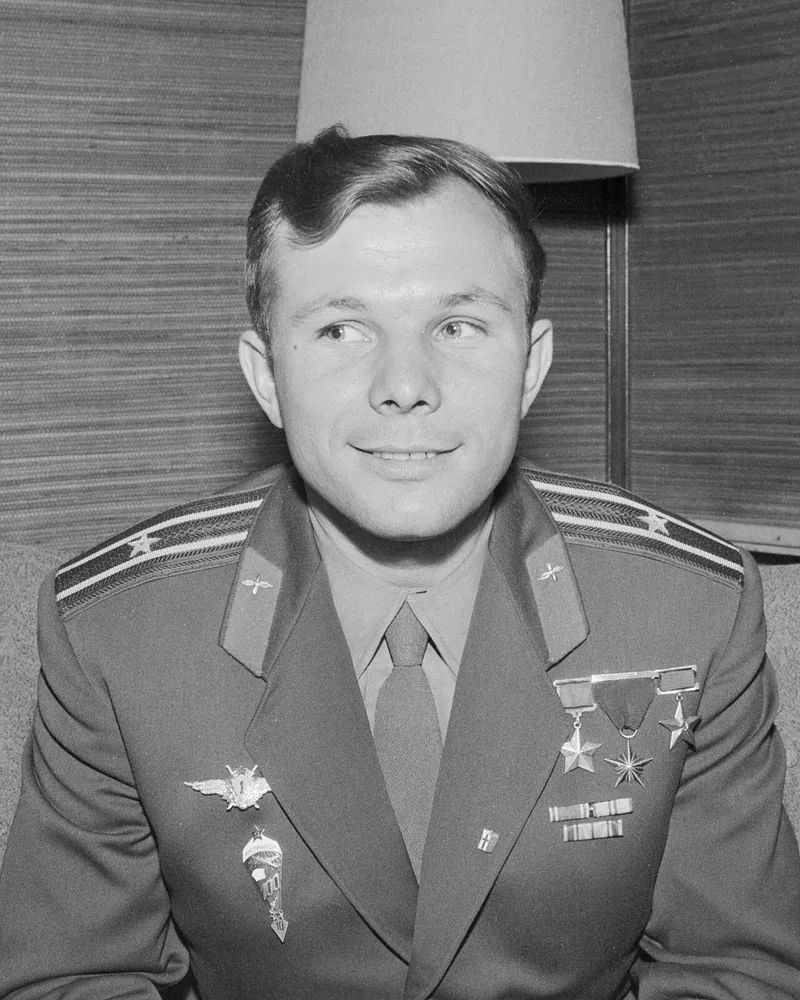
On 12 April, Yuri Gagarin became the first human to fly into space. Science and technology opened a new horizon, and electric light became part of everyday life. Candles were needed less often for ordinary illumination, yet remained in homes, celebrations and religious tradition.
Historical source ↗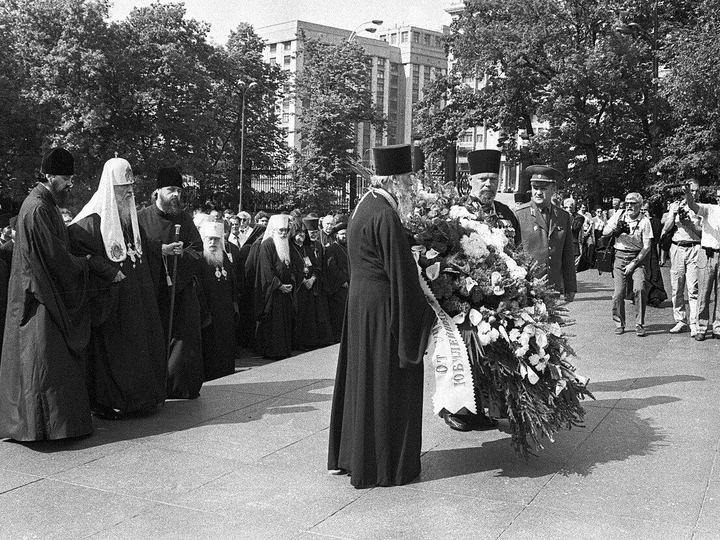 1988
1988A millennium of Christianity in Rus’
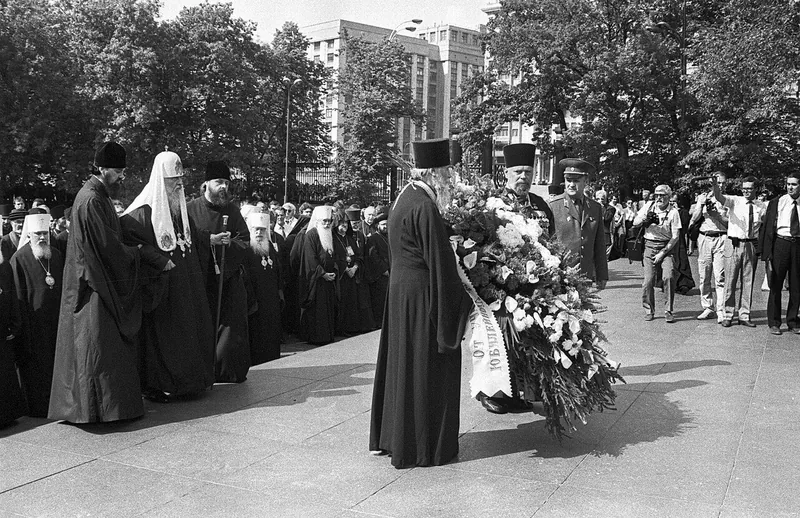
The millennium of the baptism of Rus’ became a notable event of the late Soviet period and an occasion to revisit spiritual heritage. A church candle recalled a tradition carried through centuries. The story returns to its beginnings before continuing into a new era.
Historical source ↗ 1991
1991The Russian Federation
The dissolution of the USSR opened a new historical period. On 25 December, the Russian SFSR was renamed the Russian Federation. Institutions and daily life changed, while family and cultural traditions connected generations. Candles retained their place in prayer, celebration and remembrance.
Historical source ↗ Today
TodayModern Russia. The light continues
In modern Russia, candles are lit in churches and homes, at celebrations and in memory of loved ones. The Candle of Memory initiative connects this personal gesture with the country’s shared history. Wax, stearin and paraffin remain candle-making materials. From medieval Rus’ to today, a living flame connects craft, culture and memory.
Historical source ↗